

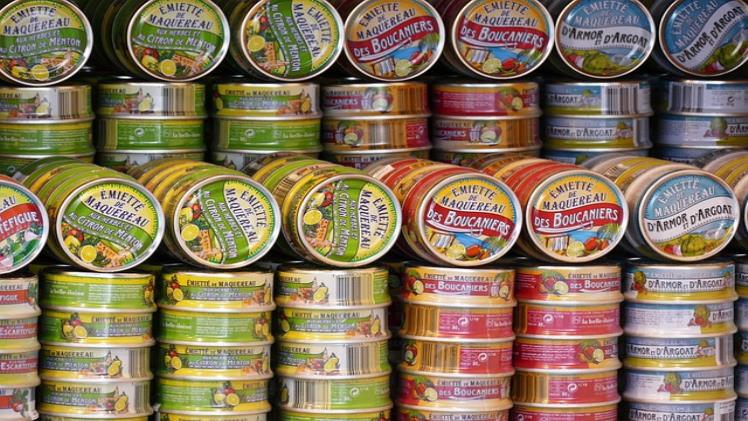
In a world inundated with food options, the visual appeal of your product is a powerful tool for attracting customers. Food packaging is the first point of contact between your brand and consumers, making creative and eye-catching design crucial. This guide presents six creative ideas to elevate your food packaging, exploring innovative concepts that go beyond the ordinary to captivate attention, convey brand identity, and enhance the overall consumer experience.
1. Illustrated Narratives: Telling a Visual Story
Engage consumers on a deeper level by incorporating illustrated narratives into your food packaging. Instead of traditional imagery, opt for artistic illustrations that convey the story behind your product. Whether it’s depicting the journey of ingredients from farm to table or showcasing the culinary inspiration behind a recipe, illustrated narratives add a personal and unique touch to your packaging. This approach not only stands out on the shelves but also creates an emotional connection with consumers, providing a memorable and visually appealing experience that goes beyond the taste of the food.
2. Interactive Packaging Elements: Engaging the Senses
Create a multi-sensory experience for consumers by incorporating interactive packaging elements. Think beyond the standard box or bag and consider packaging that invites touch, smell, or even sound. Utilize textured surfaces, embossing, or unique materials to create a tactile experience. Scented packaging or small perforations that release subtle aromas can entice the sense of smell. Adding an interactive dimension to your packaging not only sets your product apart but also creates a memorable and enjoyable experience that engages consumers beyond the visual aspect.
3. Seasonal and Limited Edition Themes: Creating Exclusivity
Tap into the psychology of consumer behavior by introducing seasonal and limited edition themes in your food packaging. Create packaging designs that align with specific seasons, holidays, or cultural events. Seasonal themes not only provide a fresh and relevant look for your product but also create a sense of urgency and excitement. Limited edition packaging fosters exclusivity and can drive sales as consumers seek to collect or try unique variations of your product. By regularly updating your packaging to reflect the changing seasons or introducing limited-edition releases, you keep your brand dynamic and maintain consumer interest.
4. Eco-Friendly and Minimalist Designs: Sustainable Aesthetics
Use eco-friendly and minimalist packaging to combine sustainability with style. Use reusable or biodegradable materials and a simple, clear design. Eco-friendly packaging matches customer demands for sustainable products and shows your brand’s environmental responsibilities. Minimalist designs with clean lines and basic graphics are attractive and contemporary. This strategy boosts brand image and highlights food product quality and attraction.
5. Playful Typography and Color Schemes: Adding Vibrancy
Inject Vibrancy and playfulness into your food packaging through the strategic use of typography and color schemes. Experiment with bold and creative fonts that convey the personality of your brand and the nature of the product. Consider color schemes that evoke specific emotions or align with the flavor profile of the food. Playful typography and vibrant colors not only make your packaging visually appealing but also contribute to the overall mood and atmosphere associated with your brand. This approach is particularly effective in attracting the attention of younger demographics and creating a lively and memorable brand image.
6. Contract Packaging: Empowering Consumer Creativity
Contract packaging services play a crucial role in fostering consumer creativity within the realm of food packaging. By engaging with experienced packaging services, brands can tap into a wealth of industry knowledge and design expertise to create packaging that not only meets functional requirements but also captivates consumer attention. These services empower brands to experiment with diverse materials, shapes, and graphic elements, providing a platform for innovative and eye-catching packaging solutions. Collaborating with these packaging services ensures that the packaging not only aligns with regulatory standards but also stands out on the crowded shelves, making a lasting impression on consumers. In this dynamic partnership, brands can harness the professional insight of these packaging services to turn imaginative concepts into tangible, visually striking packaging that enhances brand identity and consumer engagement.
Conclusion:
In conclusion, the creative potential of food packaging goes beyond mere functionality to become a powerful tool for brand differentiation and consumer engagement. Illustrated narratives, interactive elements, seasonal themes, eco-friendly designs, playful typography, and customizable options are all innovative strategies to elevate your food packaging. By infusing creativity into the visual identity of your product, you not only capture attention on the shelves but also leave a lasting impression on consumers. As the food industry continues to evolve, leveraging these creative ideas in your packaging ensures that your brand remains dynamic, memorable, and aligned with the ever-changing preferences of your target audience.